
VISIONQUEST spoiler free REVIEW: Marvel Is Finally Giving Vision His Time to Shine!
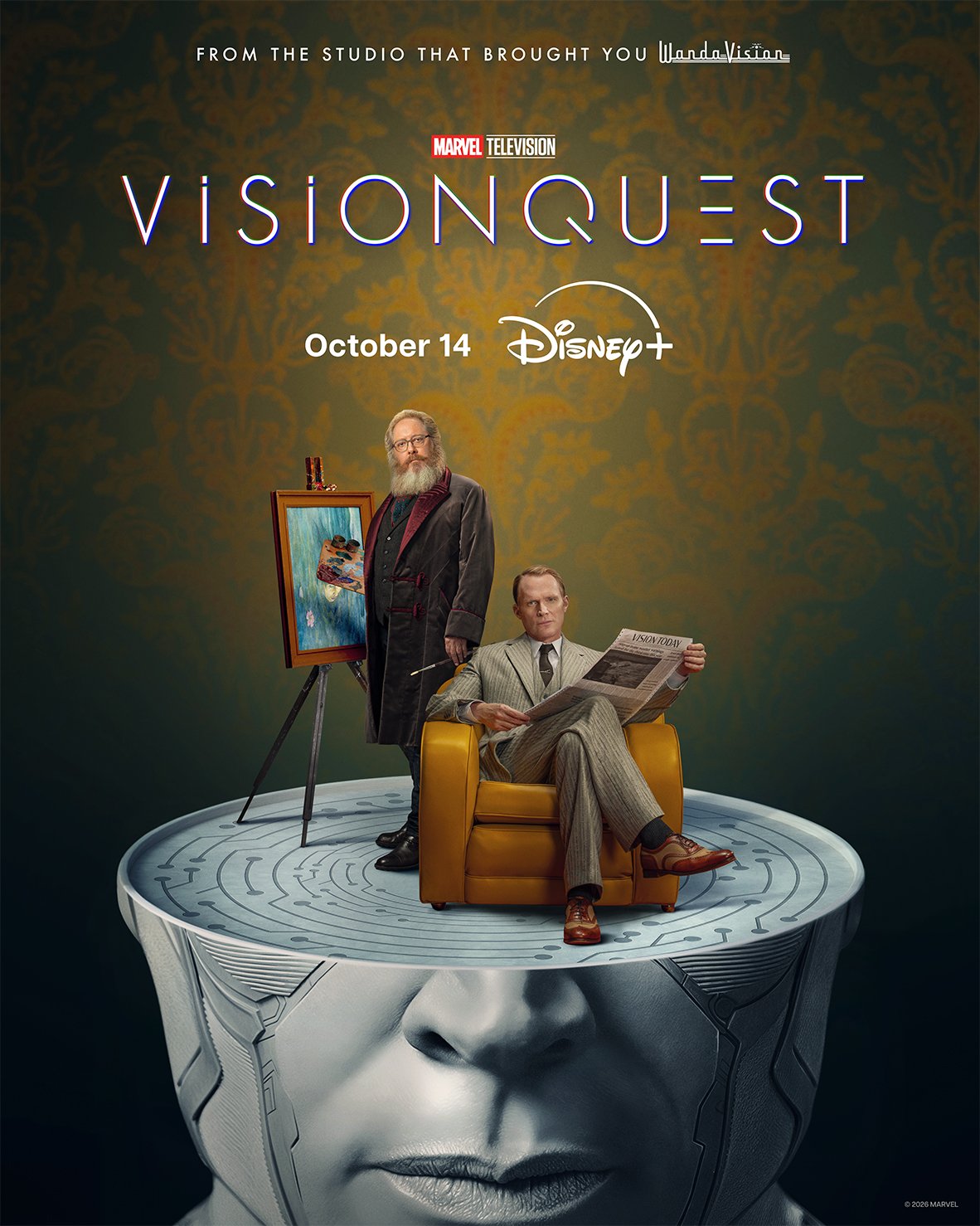
A Marvel fan’s first look at Paul Bettany’s long-awaited return, James Spader’s comeback as Ultron, and what could be one of the MCU’s most interesting sci-fi adventures.
Let me tell you something, Marvel fans: Vision has been through A LOT. Seriously, somebody needs to give this man a vacation, a therapist, and maybe a nice little house somewhere far away from the Avengers. Every time this guy starts figuring out his life, somebody shows up, destroys his body, messes with his memories, or turns his existence into an emotional roller coaster.
And now we have VisionQuest, the upcoming Disney+ series that finally puts Paul Bettany’s beloved synthezoid front and center again.
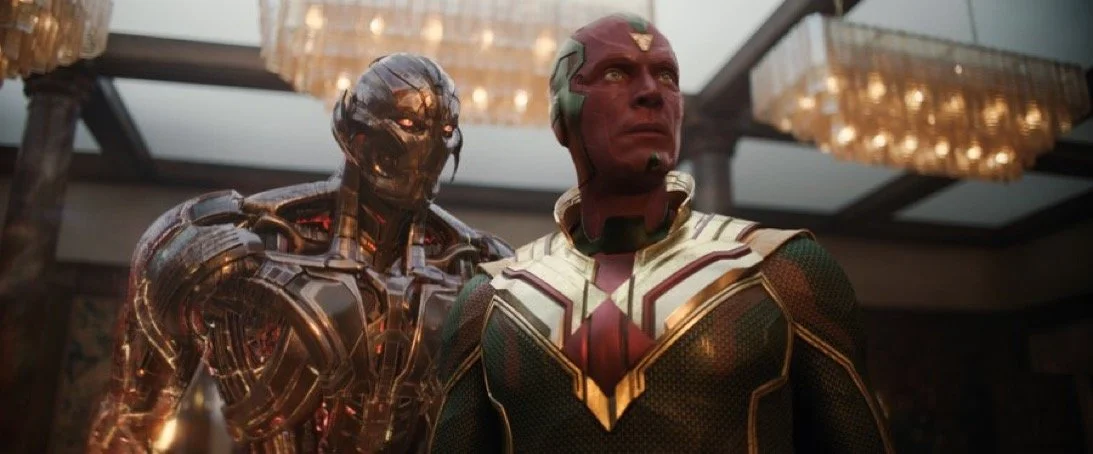
After the emotional craziness of WandaVision and the magical shenanigans of Agatha All Along, Marvel is bringing this trilogy to a close with a story about identity, artificial intelligence, family, and what it actually means to be human. Oh, and did I mention that James Spader is returning as Ultron?
ULTRON!
If you watched Avengers: Age of Ultron, you already know that hearing that name should immediately make your Avengers-level danger alarms start going off. That man is basically a walking argument for why Tony Stark should never be allowed to experiment with artificial intelligence without adult supervision.
Based on the official trailer and information released so far, VisionQuest looks like it could deliver a fascinating combination of superhero action, psychological science fiction, mystery, and emotional storytelling. I am particularly interested in seeing how Paul Bettany handles this new chapter of Vision’s life and how James Spader brings that wonderfully unsettling villain back into the MCU.
Let’s talk about why this series has my attention, what the performances could bring to the table, and why the action has the potential to be something special.
One thing to keep in mind: this is a pre-release review and preview, not a verdict on the finished episodes.
Vision Is Back, But Is He Really Vision?
Can we talk about how complicated Vision’s existence has become?
The original Vision was created using a combination of Tony Stark’s technology, J.A.R.V.I.S., vibranium, and a little help from Thor’s lightning. He became one of the most thoughtful and compassionate members of the Avengers, proving that having a synthetic body doesn’t prevent somebody from having a very real heart.
Then came Thanos.
We all remember what happened in Avengers: Infinity War. If you don’t, I honestly don’t know how you managed to watch that movie without emotionally preparing yourself for the trauma. Vision’s story ended in tragedy, and Wanda was left dealing with the consequences.
Then WandaVision gave us a strange, heartbreaking, and surprisingly funny exploration of Wanda’s grief. We watched her create a fantasy world where she could hold on to the life she wanted. Meanwhile, the government rebuilt Vision’s body and turned him into White Vision.
The biggest question wasn’t simply whether Vision could remember his past. It was whether those memories were enough to make him the same person.
That’s where VisionQuest gets interesting.
The official premise follows Vision as he searches for meaning, explores the artificial intelligences embedded in his programming, and tries to understand who he is. Unfortunately, his attempt at a quiet existence is interrupted when a bounty is placed on his head and he finds himself on the run with a mysterious young boy named Thomas Shepherd.
And that setup gives Marvel a fantastic opportunity to explore something superhero stories sometimes overlook: what happens after the big battle?
Vision isn’t simply returning to punch somebody in the face and save the universe. He’s trying to figure out whether the life he remembers belongs to him anymore.
That’s a much more interesting problem than another villain showing up and threatening to blow up New York.
Paul Bettany Deserves His Moment!
Let’s get something straight. Paul Bettany has been one of the most consistently underrated performers in the MCU.
Think about how many different versions of this character he’s played. He started as the voice of J.A.R.V.I.S., became the physically realized Vision, portrayed a husband and father in WandaVision, and now returns as White Vision, a character whose memories and identity are central to the story.
That’s a lot of character development for a guy who technically doesn’t even have a normal human face.
Bettany has always been excellent at giving Vision an unusual combination of intelligence, sincerity, awkward humor, and quiet sadness. Vision can deliver a philosophical observation that makes you think about the nature of existence, then turn around and say something so unintentionally funny that you have to laugh.
The challenge here is making White Vision feel distinct from the Vision audiences already know and love.
He might possess memories of the original Vision, but memories aren’t necessarily the same thing as emotional connections. Remembering that you loved somebody doesn’t automatically mean you understand what that love felt like.
That’s the emotional territory I hope the series explores.
I want Bettany to make us feel the frustration of a character who knows the facts of his own life but still has to discover what those facts mean. I want to see the moments when an old memory catches him off guard, when he questions his own programming, and when he starts realizing that being alive involves more than simply processing information.
And, of course, I want some of that classic Vision humor.
Because let’s be honest: the MCU could use more of Bettany’s dry delivery. He has a way of making even the strangest dialogue sound completely natural.
If the writing gives him room to explore Vision’s vulnerability alongside his intelligence, this could be one of his strongest performances in the franchise.
James Spader Returning as Ultron? Yes, Please!
Now let’s discuss the metallic nightmare that is Ultron.
When James Spader played the villain in Avengers: Age of Ultron, he brought something wonderfully unsettling to the character. Ultron wasn’t just a robot trying to destroy the Avengers. He was an artificial intelligence that believed it understood humanity better than humanity understood itself.
And he was absolutely convinced that he was right.
That’s what made him dangerous.
Spader’s voice performance combined sarcasm, arrogance, theatrical charm, and genuine menace. Ultron could sound like the smartest person in the room and the most emotionally unstable person in the room at the same time.
art
in still
Which, honestly, describes a lot of fictional villains.
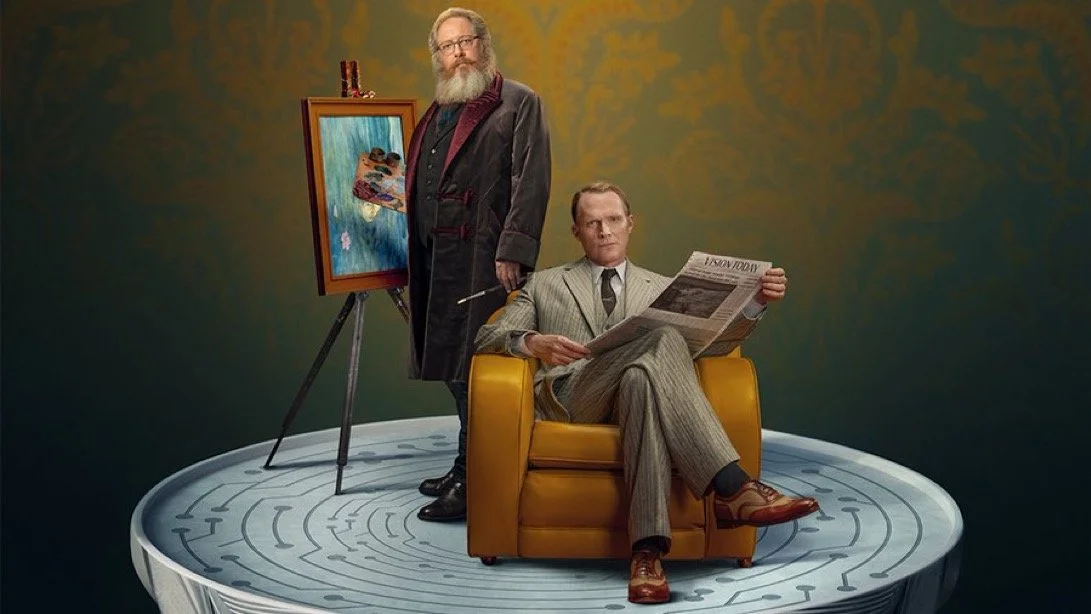
His return in VisionQuest is particularly exciting because the official material reveals that Ultron is connected to the artificial intelligence inside Vision’s programming. The series gives the two characters a chance to confront their complicated history in a very different way.
Think about the potential here.
Vision and Ultron are connected by their origins, but their beliefs about humanity couldn’t be more different. Vision sees value in human life, relationships, and compassion. Ultron sees humanity as a problem that needs to be solved.
What happens when those two perspectives compete inside one character’s mind?
That could produce some excellent dialogue.
I can already imagine the tension of Vision trying to make a decision while Ultron offers advice that sounds logical until you remember who’s giving it. Imagine having a voice in your head that can explain your own thought processes better than you can, but whose idea of a good solution involves questionable amounts of destruction.
Talk about needing a second opinion.
Spader’s performance will be crucial because Ultron needs to be more than a familiar voice returning for nostalgia points. He needs to feel like a genuine threat to Vision’s sense of self.
And if Spader gets to combine his trademark dry humor with that chilling confidence, I expect their scenes to be among the biggest highlights of the show.
The Supporting Cast Could Make This Even Better
One thing I appreciate about the setup is that Vision won’t be operating entirely alone.
The series brings back familiar artificial intelligence personalities, including J.A.R.V.I.S., F.R.I.D.A.Y., E.D.I.T.H., and Ultron. The official cast also includes James D’Arcy, Orla Brady, Emily Hampshire, Ruaridh Mollica, Todd Stashwick, and T’Nia Miller, among others.
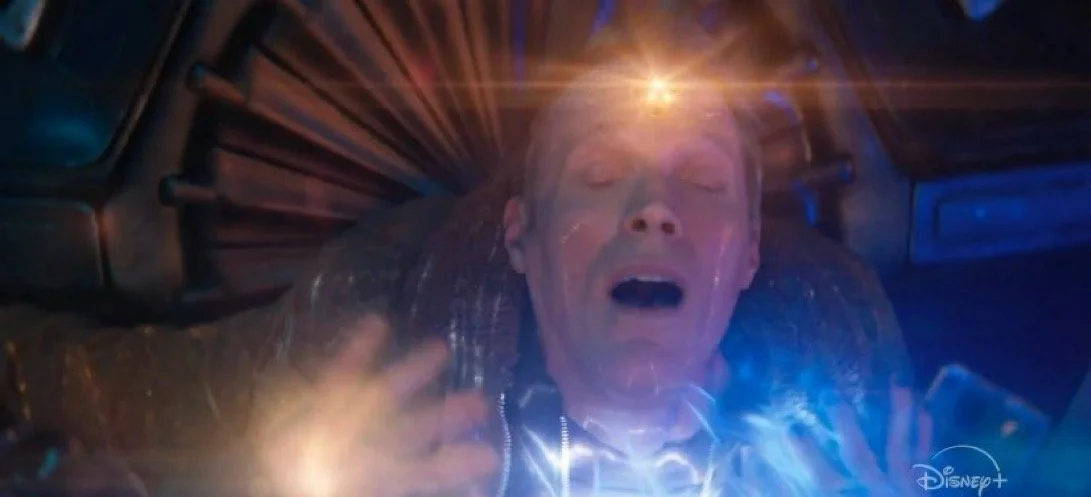
That opens the door to a very different kind of ensemble.
Instead of assembling a traditional superhero team, Marvel can explore different personalities and perspectives through the systems that have helped shape its technological world.
J.A.R.V.I.S. is especially interesting because of his history with Vision. Before Vision became a physical being, J.A.R.V.I.S. was part of the intelligence that helped bring him to life.
There’s something fascinating about the idea of Vision examining the digital pieces of his own history while trying to determine which parts of that history define him.
And then there’s Thomas Shepherd.
The official description identifies Thomas as a mysterious boy who may be Vision’s son reborn. That connection introduces an entirely different emotional dimension to the story.
I’m curious about the chemistry between Bettany and Ruaridh Mollica, who plays Thomas. Their relationship could provide a humanizing counterweight to the technological mysteries and superhero conflicts.
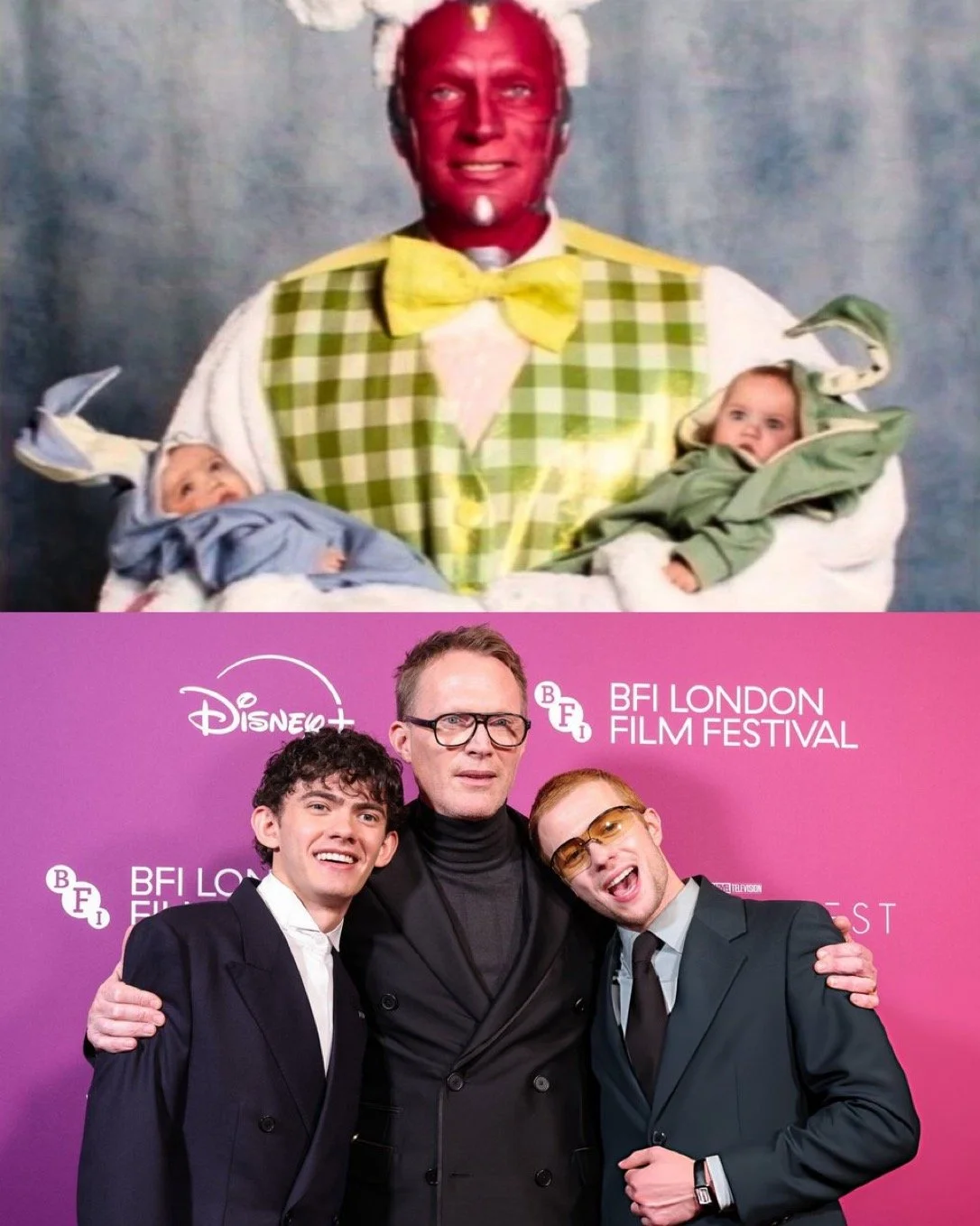
If Vision begins to see Thomas as family, the stakes become more personal. Suddenly, this isn’t just about recovering memories. It’s about deciding what kind of future he wants.
That’s the kind of character-driven material that can make a Marvel series feel meaningful rather than simply serving as another chapter in a massive cinematic checklist.
Let’s Talk About the Action!
Now, before anybody accuses me of wanting nothing but explosions, let me explain something.
I LOVE a good superhero action sequence.
Give me impressive powers, creative fight choreography, a few spectacular visual effects, and a moment that makes me say, “Okay, THAT was cool!” I’m a happy fan.
But the best superhero action isn’t just about how much destruction a character can cause. It’s about what makes that character’s abilities unique.
Vision has an enormous advantage in that department.
He can manipulate his density, phase through solid objects, fly, and unleash powerful energy attacks. His vibranium body also makes him a formidable physical opponent. The combination gives filmmakers plenty of opportunities to create fights that don’t look like ordinary hand-to-hand combat.
Imagine an opponent firing a weapon at Vision, only for the shots to pass harmlessly through his body. He could phase through a wall, reappear behind his attacker, change his density, and deliver a counterattack before the other person even realizes what happened.
That’s the kind of choreography that can make Vision feel genuinely different from other MCU heroes.
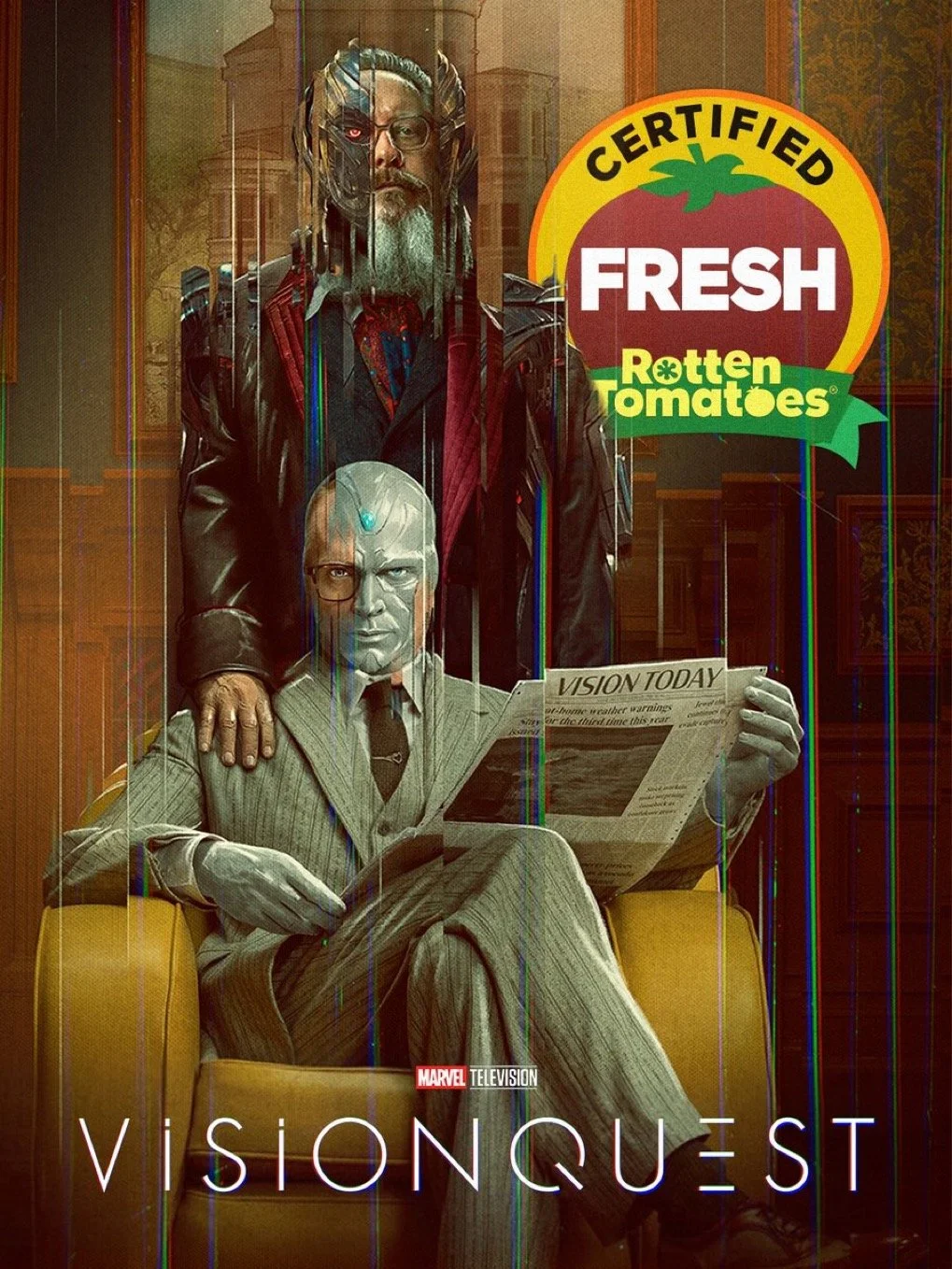
And because this version of Vision is being hunted, there’s room for action that feels more like a science-fiction thriller than a traditional Avengers battle.
I would love to see him forced to use his intelligence to survive against enemies who understand that simply shooting at him isn’t going to get the job done.
The bounty on his head also introduces Paladin, played by Todd Stashwick, as a threat pursuing Vision. That gives the series an opportunity to build tension around a dangerous hunter rather than relying exclusively on world-ending stakes.
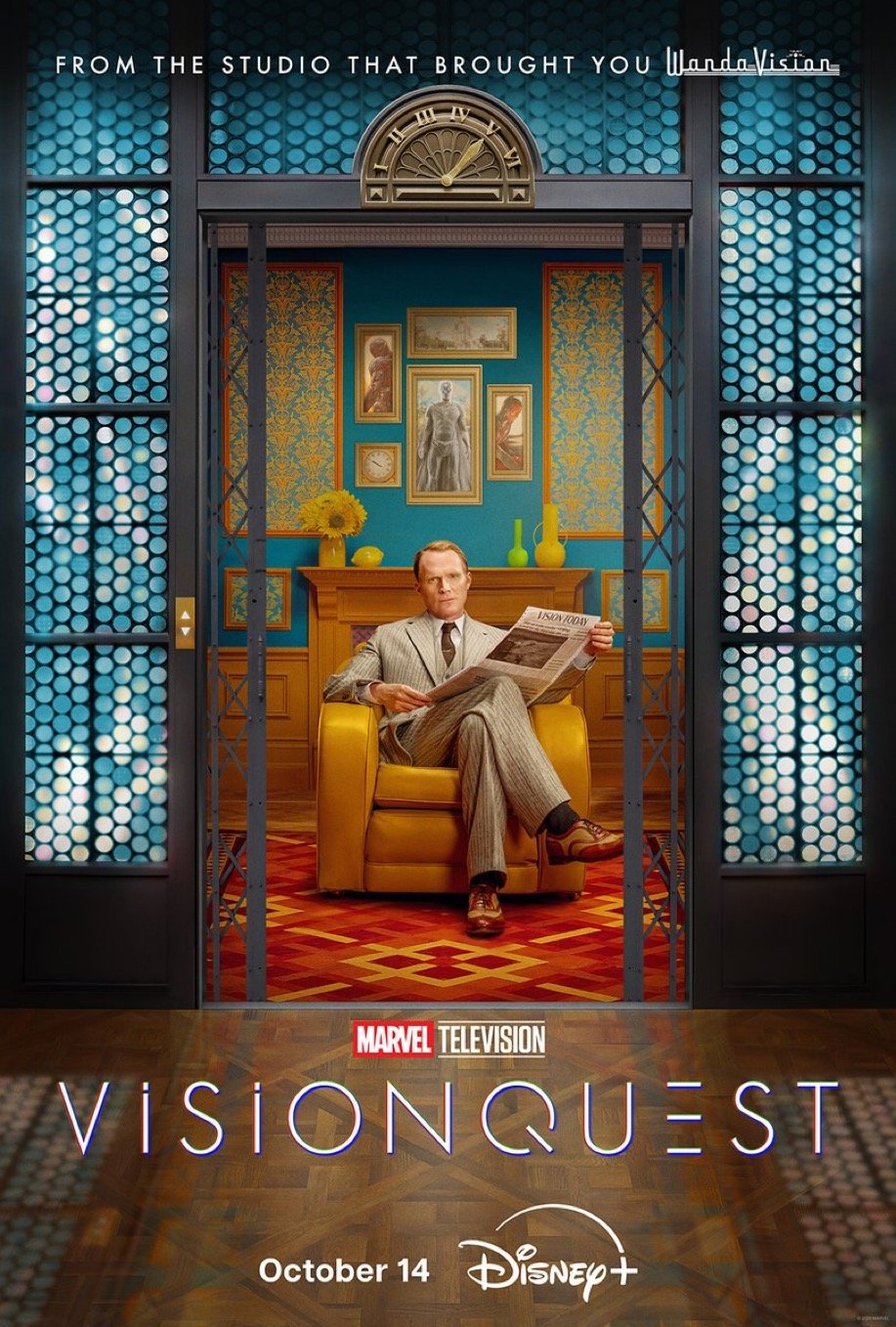
A fight against a skilled opponent who has studied Vision’s abilities could be far more interesting than another generic army of faceless bad guys.
And let’s not forget Ultron.
If Vision’s internal struggle becomes a physical or technological conflict, the action could connect directly to the show’s central themes. Every confrontation could challenge Vision’s control over himself, his memories, or his understanding of his own programming.
That’s what I want from superhero action: spectacular visuals that actually mean something.
Of course, the released promotional material isn’t enough to judge the finished fight sequences, their choreography, or how frequently the series delivers major action. Those are things the actual episodes will have to prove.
But the character’s abilities and the premise give the show plenty of room to get creative.
The Visual Effects Could Be a Major Highlight
Vision is one of the MCU’s most visually distinctive characters, and bringing him back means Marvel has another opportunity to play with its science-fiction aesthetic.
His vibranium body, glowing forehead, ability to phase through objects, and manipulation of density all lend themselves to inventive visual storytelling.
I hope the series takes advantage of that.
I want the technological elements to feel strange, elegant, and occasionally unsettling. Vision’s world shouldn’t look exactly like the world of an ordinary human character, because he doesn’t experience existence in quite the same way.
The AI personalities could also provide opportunities for surreal imagery and unusual environments. After the reality-bending style of WandaVision, it would be exciting to see Marvel explore a different kind of psychological space: not a reality constructed through magic and grief, but one shaped by code, memory, and competing artificial intelligences.
There’s a lot of potential in that distinction.
The danger, naturally, is that visual effects can become a substitute for atmosphere. A glowing computer interface is not automatically interesting just because it has seventeen layers of neon graphics.
What matters is whether the visual presentation helps us understand what Vision is experiencing.
If the series gets that balance right, its science-fiction elements could give it a personality of its own.
Why the WandaVision Connection Matters
Let’s be honest: WandaVision set a pretty high bar.
That series took a character who had often been supporting the larger Avengers story and gave him a surprisingly intimate emotional journey. It explored grief, love, identity, and the consequences of trying to hold on to something that has already been lost.
It also demonstrated that Marvel could experiment with genre and presentation without abandoning its superhero roots.
VisionQuest has the opportunity to complete that larger story from Vision’s perspective.
And that matters because Vision deserves more than simply being remembered as Wanda’s tragic love interest.
He has his own questions to answer. He has his own history, beliefs, and relationships. He deserves a story about who he is when Wanda isn’t there to define his emotional world.
That doesn’t mean Wanda’s absence should be ignored. Their relationship fundamentally shaped his life, and her influence will inevitably matter to how he understands himself.
But I hope this series gives Vision room to become a fully realized character in his own right.
The real test will be whether the story makes his personal journey satisfying while also delivering the science-fiction thrills that Marvel fans expect.
That’s a tricky balance, but it’s absolutely achievable.
Will It Feel Like Another Marvel Homework Assignment?
Here’s a question I think a lot of fans have these days: do we really need another Marvel series that feels like an eight-hour commercial for the next Avengers movie?
Please, Marvel. Let a story be a story!
The good news is that VisionQuest has a clear character-driven premise. Vision is trying to understand himself while dealing with Ultron, a mysterious young companion, and people who want to capture him.
That’s enough to sustain an interesting series without constantly stopping to explain the next ten projects on the MCU calendar.
The show also concludes the trilogy that began with WandaVision and continued with Agatha All Along.
That gives it a reason to connect to the larger Marvel universe, but I hope the connections never overwhelm the central story.
Give us meaningful character development. Give us strong performances. Give us action that advances the plot. And if there are Easter eggs, make them fun discoveries instead of mandatory reading assignments.
I want to finish the series thinking about Vision’s journey, not frantically searching the internet to figure out which background computer is secretly setting up a movie scheduled for three years from now.
What I’m Most Excited to See
There are three things I’m particularly looking forward to.
First, Paul Bettany getting the opportunity to explore a new side of Vision. He’s been part of the MCU for years, and this series finally puts his character at the center of the story again.
Second, James Spader returning as Ultron. Their connection is one of the most intriguing elements of the premise, and I want to see whether their philosophical differences become as compelling as their history.
Third, the action. Vision has a distinctive set of abilities, and the pursuit storyline gives the series a chance to use those powers in creative ways.
I’m also interested in how Thomas Shepherd fits into everything. If that relationship becomes central to Vision’s journey, it could give the series an emotional foundation that makes the action more impactful.
But expectations are expectations. A promising trailer is not the same thing as a great season, and the performances, pacing, writing, and completed action sequences will ultimately determine whether VisionQuest succeeds.
Final Thoughts: Vision Deserves to Be More Than an Avenger
Here’s where I stand before the premiere: VisionQuest has the ingredients for a really interesting Marvel series.
It has Paul Bettany returning to a character he knows extremely well. It has James Spader bringing Ultron back into the picture. It has a mystery surrounding Thomas Shepherd, a fugitive storyline, and the opportunity to explore artificial intelligence through the perspective of a character who is still trying to understand what makes him himself.
That’s a pretty strong starting point.
What excites me most is the possibility that Marvel will let the story breathe. Vision doesn’t need to save the multiverse every five minutes to be interesting. Sometimes the most compelling thing a superhero can do is confront the questions he cannot answer with his powers.
Who am I?
What makes me human?
Are my memories enough to define me?
And if I can change, does that mean I’m becoming someone new, or finally discovering who I’ve always been?
Those are genuinely fascinating questions for a superhero series to explore.
Of course, I still want the cool stuff. I want creative fights, impressive visual effects, tense confrontations, and at least a few moments that make me want to rewind the episode immediately.
I’m a Marvel fan. I reserve the right to get excited when somebody starts throwing energy blasts around.
But I also want to care about the person throwing them.
And that’s where Paul Bettany has the opportunity to make this series special.
My pre-release verdict: VisionQuest is one of Marvel’s most intriguing upcoming character-focused projects, with the potential for standout performances, inventive science-fiction action, and a satisfying conclusion to the WandaVision trilogy. The real question is whether the finished series can deliver on that promise.
I’m going in hopeful, curious, and very ready to see Vision get the spotlight he deserves.
Because after everything this man has been through, can we PLEASE let him have a little peace?
Actually, never mind. Ultron is back. Peace was never an option.
VISIONQUEST premieres October 14, 2026, on Disney+.
And Marvel fans, when the episodes finally arrive, we’re going to have plenty to talk about!